-
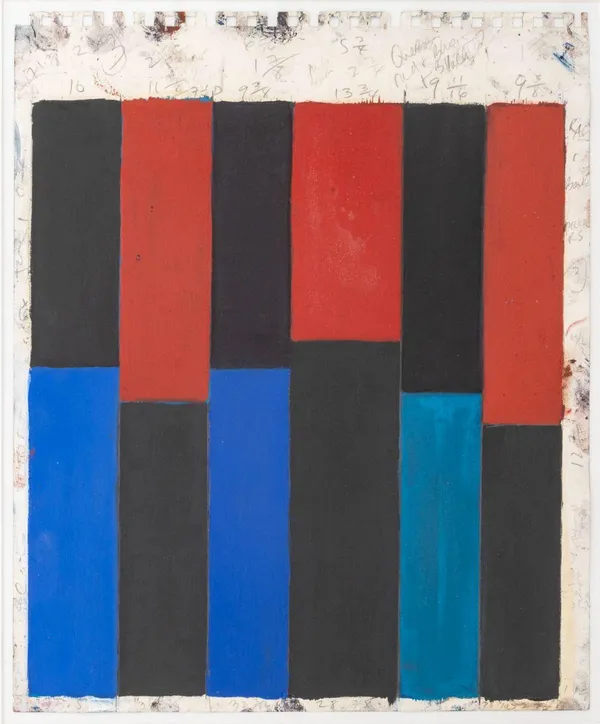
 Red/Blue, 2002
 -
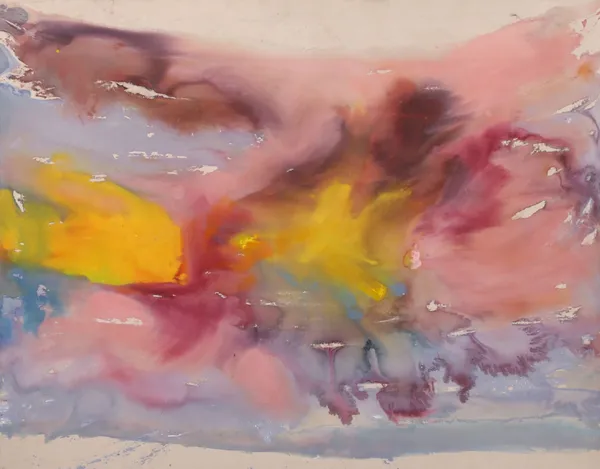
Morning Fever, 1970
-
Immirem-Immimo, 1971
-
It Rained on Thursday, 1970
-
Bird Sings on 11th Street, 1969



-
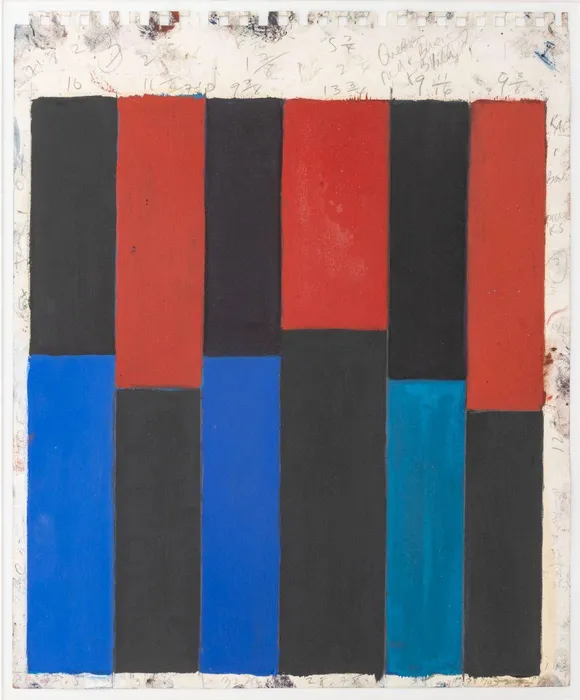 Red/Blue, 2002
-
 Immirem-Immimo, 1971
-
 It Rained on Thursday, 1970
-
 Morning Fever, 1970
-
 Bird Sings on 11th Street, 1969
Pat Lipsky is an American abstract painter whose work has played a significant role in the evolution of postwar abstraction, particularly in the dialogue between Abstract Expressionism, Color Field painting, and Minimalism. Known for her vibrant surfaces, dynamic brushwork, and sustained engagement with the physical act of painting, Lipsky has maintained a rigorous and independent artistic vision for more than five decades.
Lipsky was born in New York City and grew up in a culturally rich environment that fostered her early interest in art. She studied at Cornell University, earning her BFA in 1963, and later received an MFA from Hunter College in 1968. At Hunter, she studied with influential artists and critics, including Robert Morris and Ad Reinhardt, and was part of a generation grappling with the legacy of Abstract Expressionism while seeking new formal languages. This intellectual and artistic context profoundly shaped her approach, encouraging both critical self-awareness and formal experimentation.
Emerging in the late 1960s and early 1970s, Lipsky developed a painting style characterized by dense, layered brushstrokes and intense chromatic energy. While her work is often associated with abstraction, it resists strict categorization. Unlike the reductive tendencies of Minimalism or the flat expanses of Color Field painting, Lipsky’s canvases emphasize gesture, surface tension, and the accumulation of paint over time. Her paintings frequently oscillate between structure and improvisation, revealing traces of decision-making and revision that underscore painting as a temporal, physical process.
Throughout her career, Lipsky has been deeply committed to the materiality of paint. Her surfaces are built through repeated applications of oil paint, creating complex fields of color that vibrate with movement and depth. Rather than aiming for illusionistic space, her work insists on the painting as an object—an arena in which color, gesture, and scale interact directly with the viewer. This insistence aligns her with post-painterly abstraction while also maintaining a visceral connection to the expressive traditions that preceded it.
Lipsky’s work gained critical attention in the 1970s, with exhibitions at prominent New York galleries, such as Andre Emmerich Gallery, inclusion in major museum collections, and a close relationship with art critic Clement Greenberg. Her paintings are held by institutions such as the Whitney Museum of American Art, the Museum of Modern Art, the Metropolitan Museum of Art, and the Brooklyn Museum. Despite shifts in art-world trends, she has continued to paint with remarkable consistency, refining rather than abandoning her core concerns.
